A trading settlement
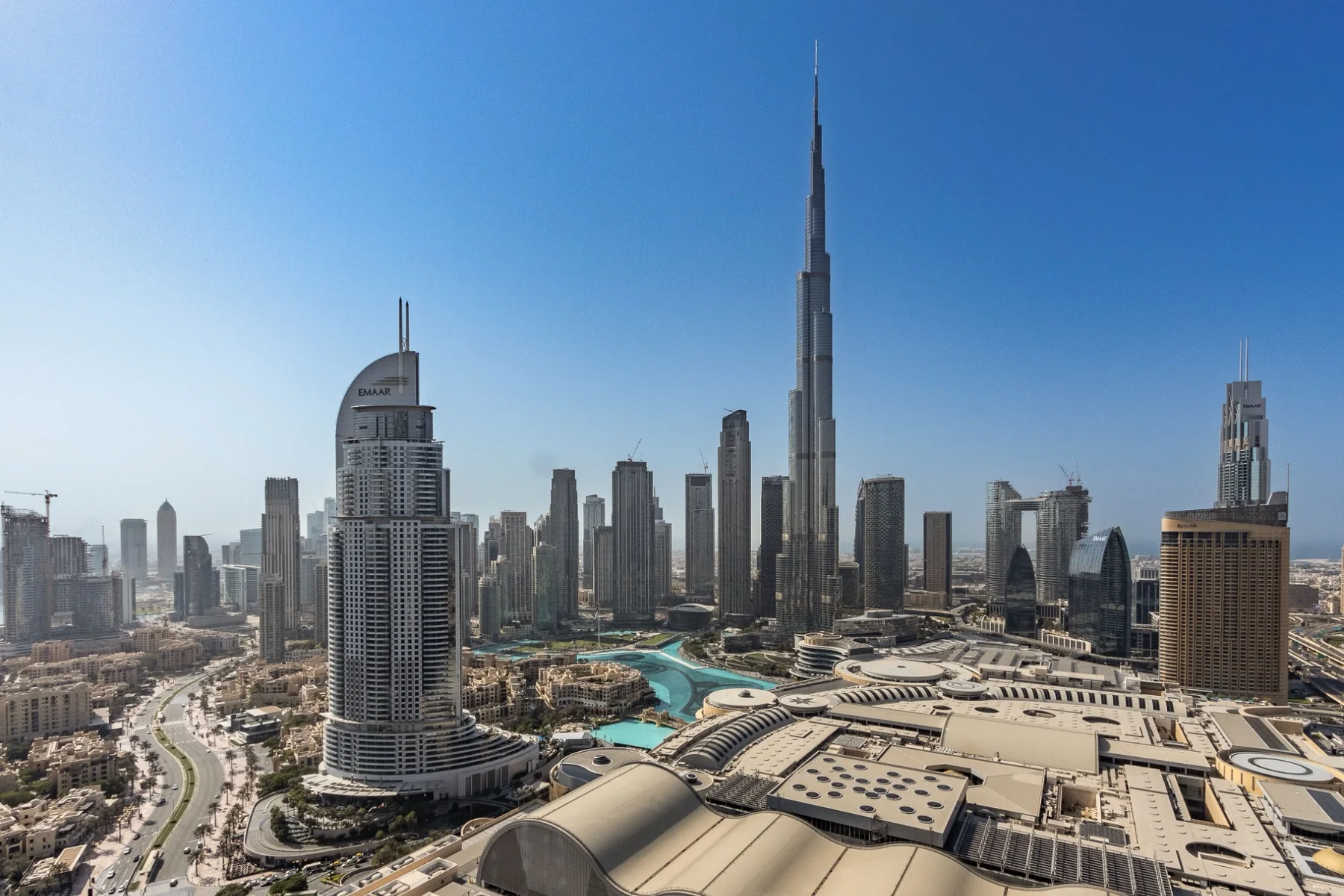
The Al Maktoum era begins. Dubai Creek supports fishing, pearling and regional commerce.
Vantage Point / Why Invest in Dubai
Dubai did not become a global property market by accident. Trade, infrastructure, openness to international capital and a habit of adapting to change have shaped the city for generations.
01 / From creek to global city
Dubai began around trade, fishing and pearling. Oil accelerated development after its discovery in 1966, but the longer story is what came next — aviation, logistics, tourism, finance, technology and a property market built for an international city.
The Al Maktoum era begins. Dubai Creek supports fishing, pearling and regional commerce.
Oil discovery accelerates infrastructure and public investment. Exports begin in 1969.
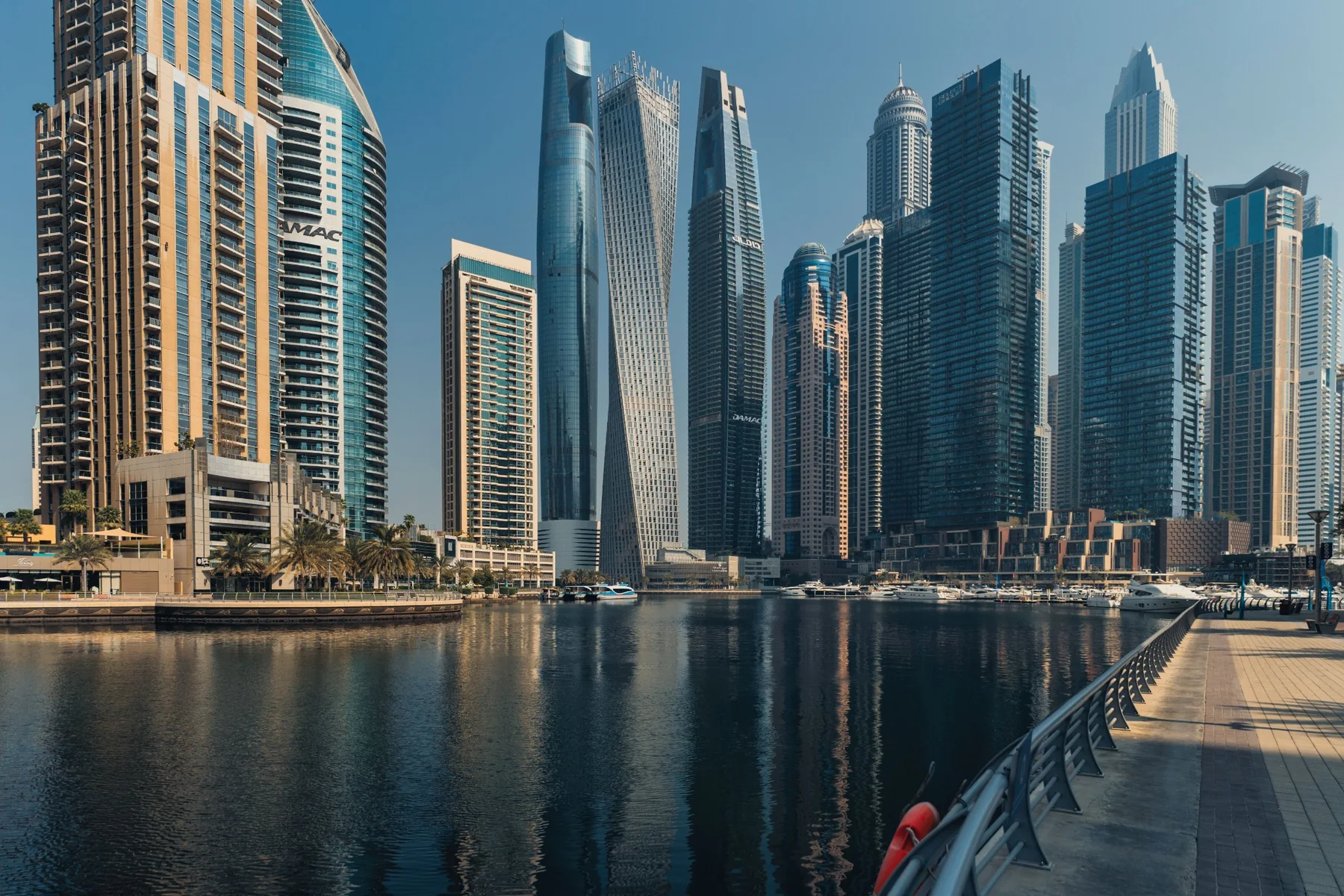
Air travel, free zones, ports, tourism and large-scale urban development turn Dubai outward to the world.
D33 targets a doubling of Dubai’s economy over the decade and a place among the world’s leading global cities.
02 / Built to adapt
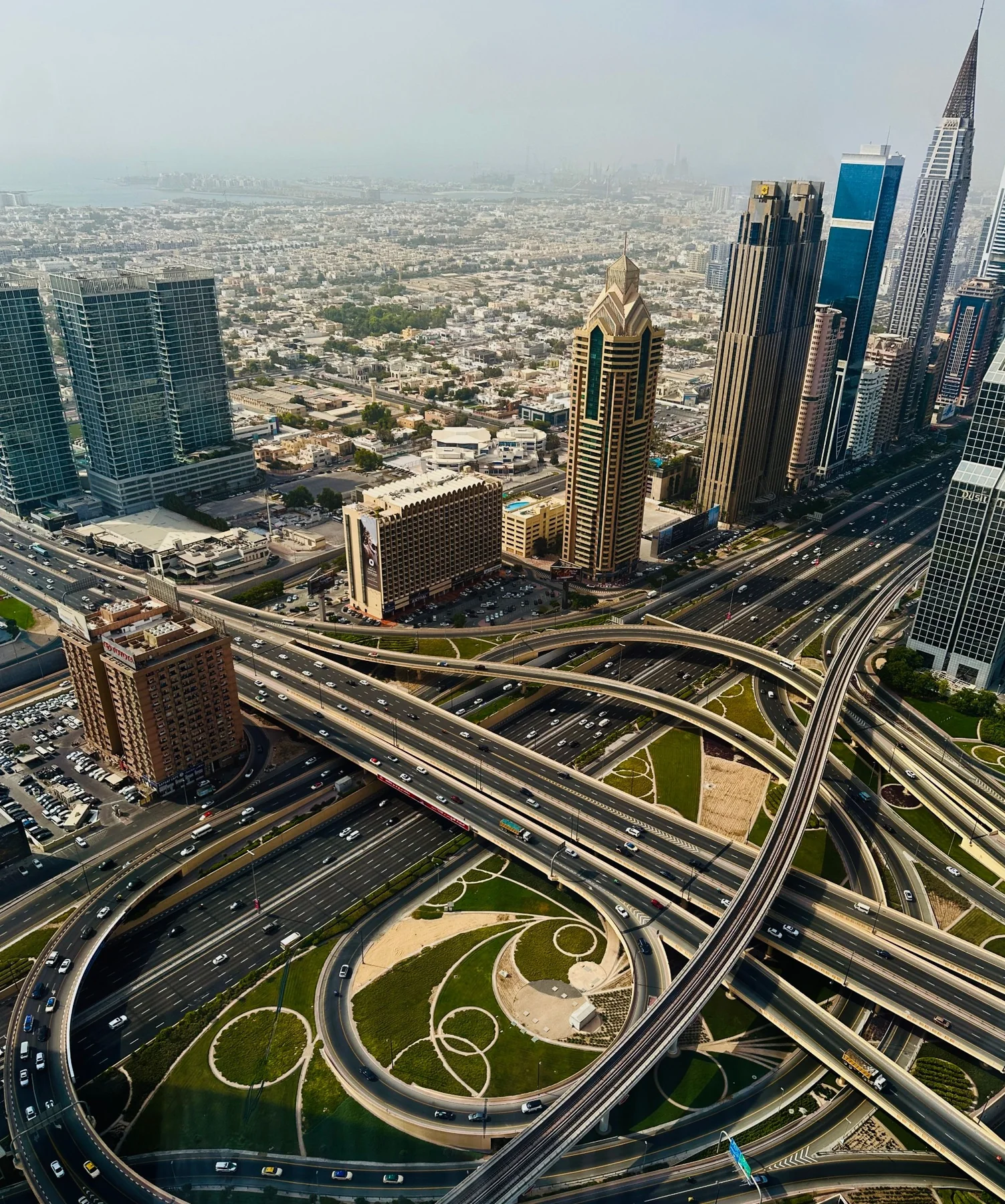
The city has been tested by property cycles, the global financial crisis, the pandemic and periods of regional uncertainty.
Each period exposed fault lines, but also pushed tighter regulation, stronger infrastructure, broader economic policy and activity, and more mature, secure real-estate systems. Resilience does not mean prices only move in one direction. It means the city has repeatedly adapted its model and continued attracting businesses, residents and capital.
Understand the buying framework→No single advantage makes a property a good investment. Together, these factors explain why Dubai remains on the shortlist for international buyers.
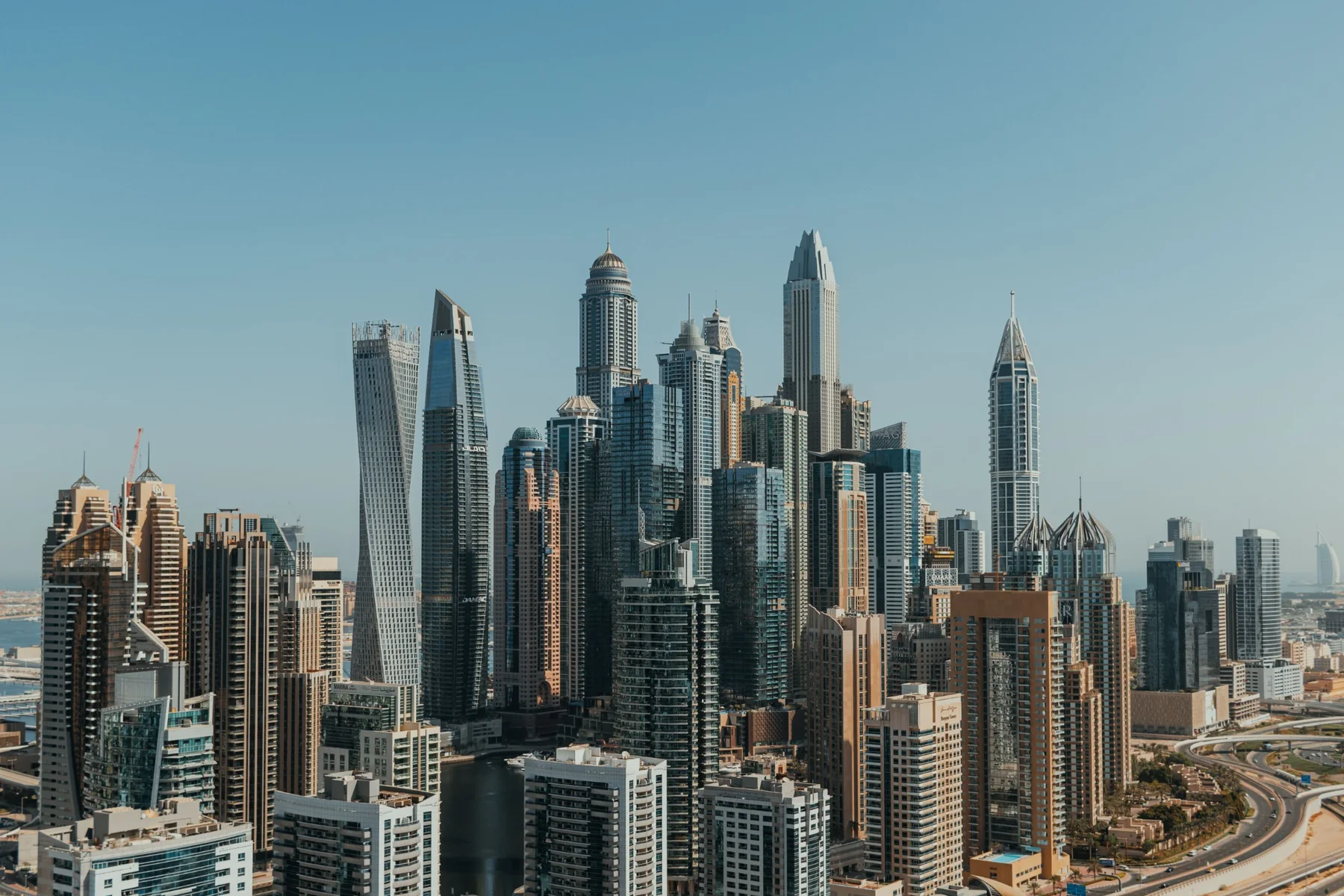
100% ownership for foreign buyers in freehold properties, with ownership recorded through Dubai Land Department.
A large expatriate workforce, global businesses, tourism and long-term residence create multiple layers of housing demand.
Dubai’s rental market spans studios to ultra-prime villas, with official Ejari registration and rental-index tools supporting transparency.
Excellent airports, roads, metro, ports, schools, malls, healthcare and master-planned districts help turn property into usable everyday places.
DLD and RERA oversee registration, brokers, projects and off-plan safeguards including project escrow accounts.
Zero tax on rental earnings and no annual property tax for individuals. Buyers should still budget transaction fees, service charges and any taxes that apply in their own country of residence.
Property can form part of long-term residency planning. The UAE Golden Visa includes a real-estate investor route — a ten-year renewable residency for a qualifying investment of AED 2 million or more, subject to conditions.
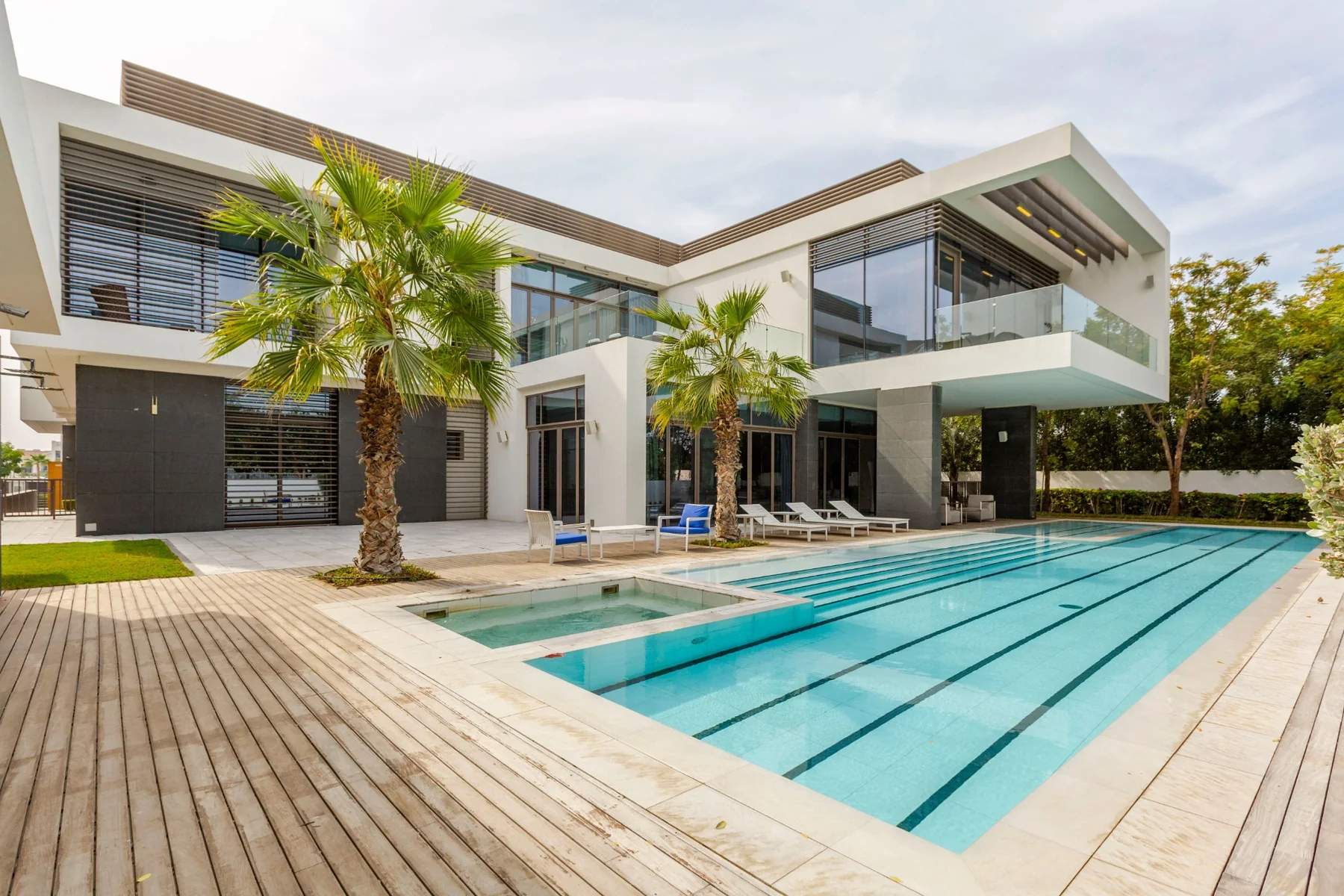
Ready, off-plan, apartments, villas, branded residences and different districts allow investors to pursue income, growth, lifestyle or a blend.
04 / Market evidence
Dubai Land Department reported a record 2025 real-estate year, followed by further growth in Q1 2026. Rental registrations also expanded in 2025, reinforcing the depth of the resident market.
Figures referenced from Dubai Land Department / Dubai Government Media Office. Market conditions change; figures are context, not a forecast.
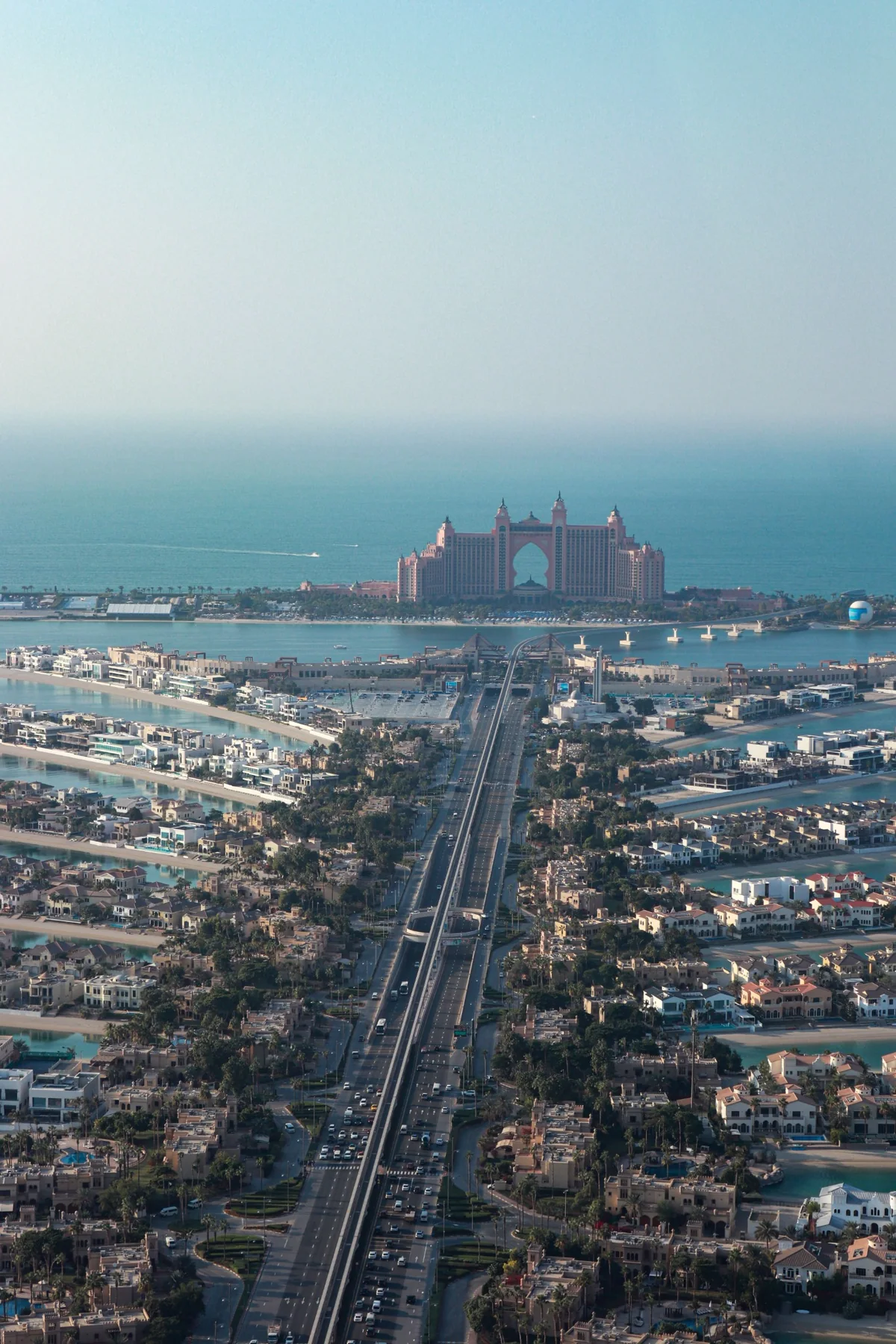
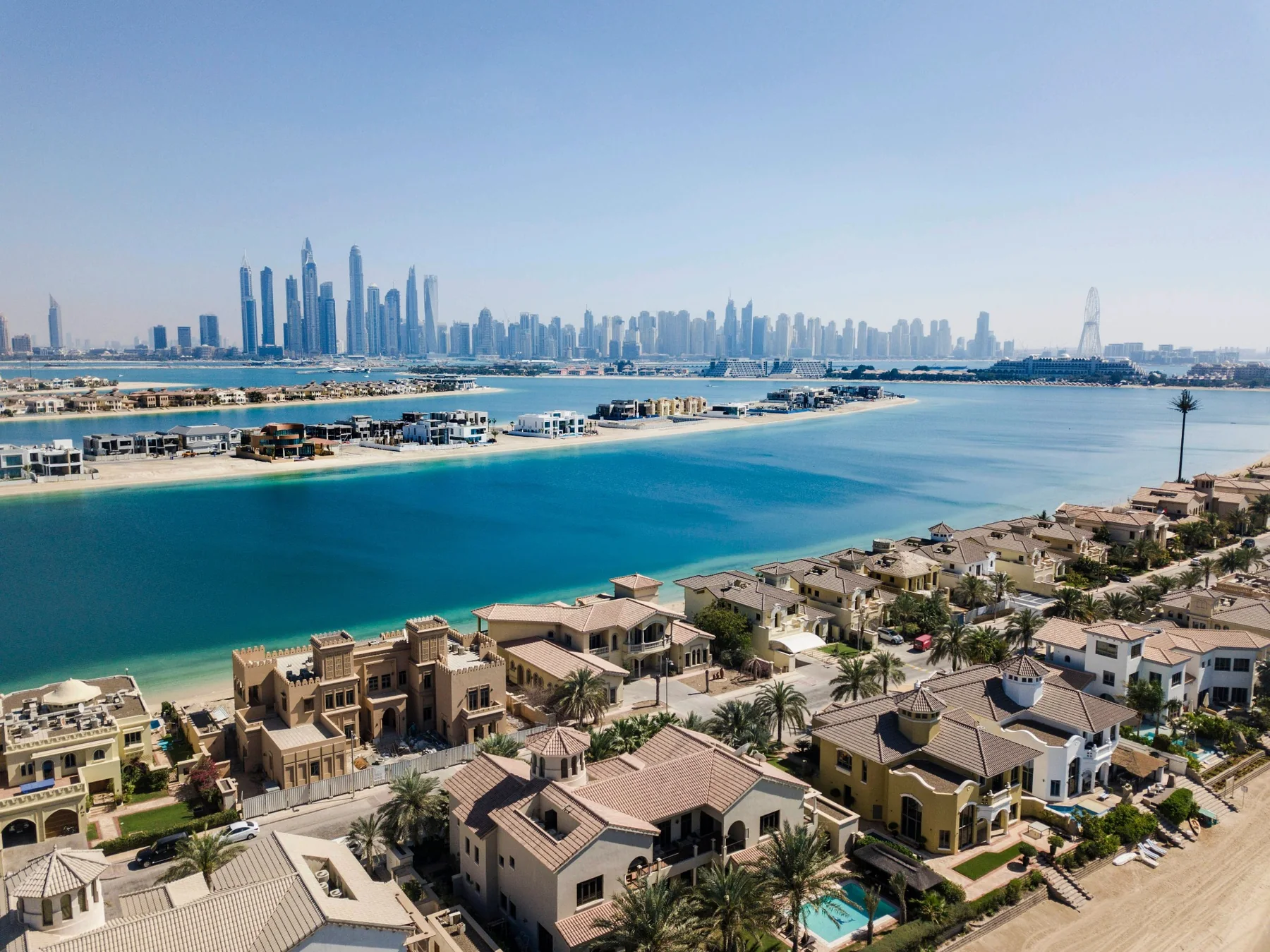
05 / Lifestyle becomes demand
06 / The Vantage view
Dubai gives you a strong starting point. From there it comes down to the specific address — the developer’s track record, how the payment plan is structured, and what new supply is coming nearby.
Take off service charges, empty months, management fees, finance costs and what it costs to sell later. Always ask for the net figure before comparing two properties.
A home to live in, a rental income asset and a long hold point to different areas, buildings and payment plans. Once the purpose is clear the shortlist gets a lot shorter.
Off-plan, secondary, RERA, fees, rental, mortgages, handover and more.
Open guide →Contact / Private consultation
Tell us what the property needs to do — investment, relocation, second home or long-term ownership. We’ll help you narrow the market from there.